Develop Your Child's Executive Function Through Kid-Friendly Entrepreneurship
Tired of reminding your child daily?
They’ll build essential life skills - organization, confidence, and financial literacy - through their own business.
Start small and grow at their own pace.
Develop Your Child's Executive Function Through Kid-Friendly Entrepreneurship
Tired of reminding your child daily?
They’ll build essential life skills - organization, confidence, and financial literacy - through their own business.
Start small and grow at their own pace.
Stop Worrying About Your Child's Future:
Watch Them Build Skills AND Financial Security
(while having fun!)
This life skills program helps kids develop confidence, responsibility, and financial security through entrepreneurship education they actually enjoy.

The Powerful Math Behind Early Starts: Financial experts know something most parents don't: A $1,000 investment that grows at 10% annually (the S&P 500's 60-year average) becomes $390,000 in six decades. Kids who start investing even small amounts at age 10 could build real financial security by retirement.
But here's what's even better: they'll also develop organizational skills, responsibility, and confidence along the way - because they're working toward something they actually care about.

Maybe you've worried that your child will never develop the skills they need to take care of themselves.
Kids often have trouble developing these skills because we're trying to teach them in contexts kids don't care about.
Many kids don't really care about homework. Or grades. They don't see why they should have to tidy up at home. Forgetting morning chores is more of a problem for you than it is for them.
But when they have their own business, suddenly they care - a lot! They're internally motivated to learn the skills that you've been trying to get them to learn.
Here's What Your Child Will Get:
Essential Life Skills Training Through Real-World Experience
Many parents share a common worry: watching their child struggle with practical life skills. Your child might be brilliant and creative, but you've probably noticed them struggling with things like:
Following through on commitments
Staying organized with responsibilities
Managing time effectively
Taking initiative on important tasks
You've tried the usual approaches - chore charts that get ignored after two weeks, allowances that don't seem to motivate lasting change, and gentle (or not-so-gentle) nagging 'reminders.'
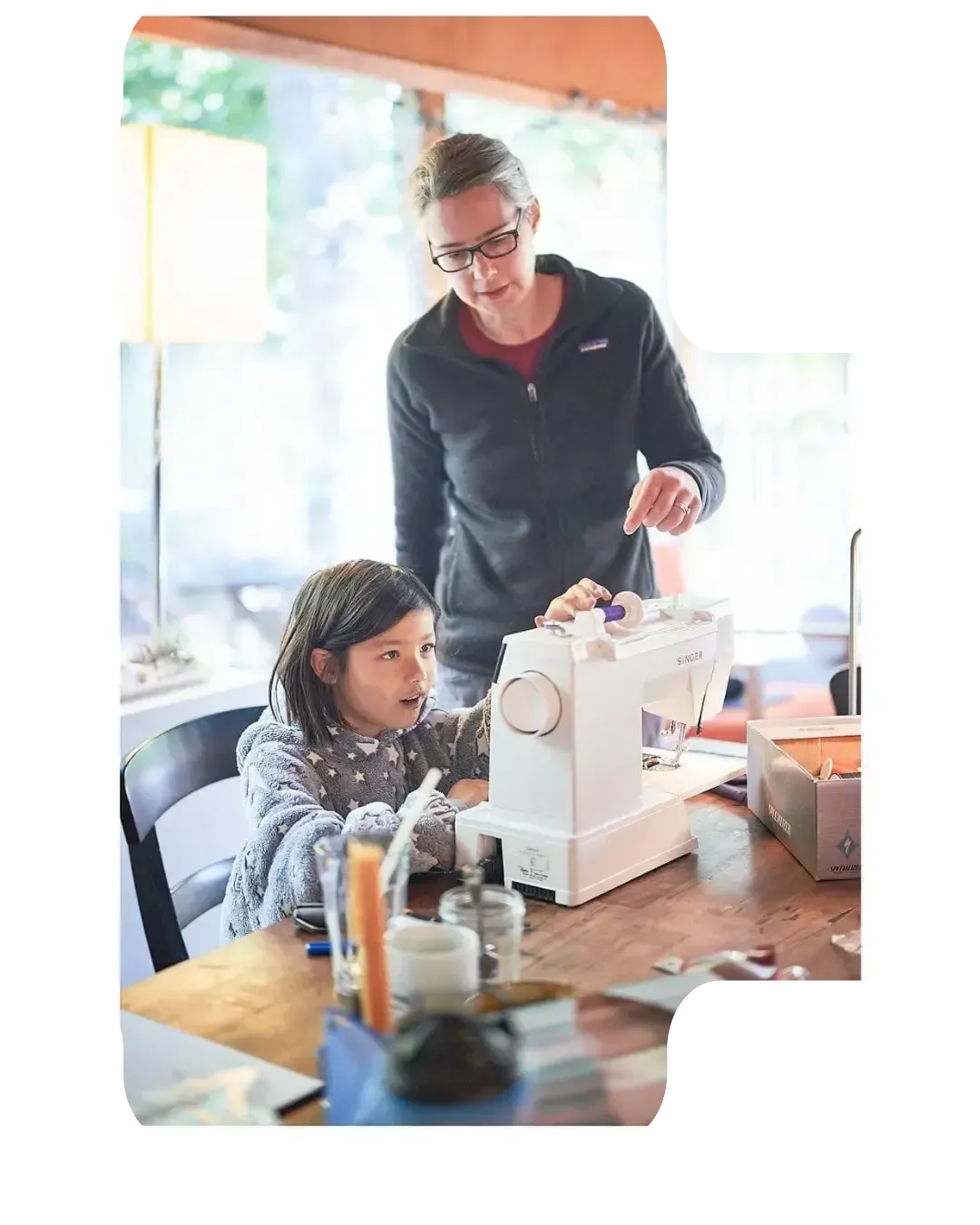

Executive Function Activities That Actually Work
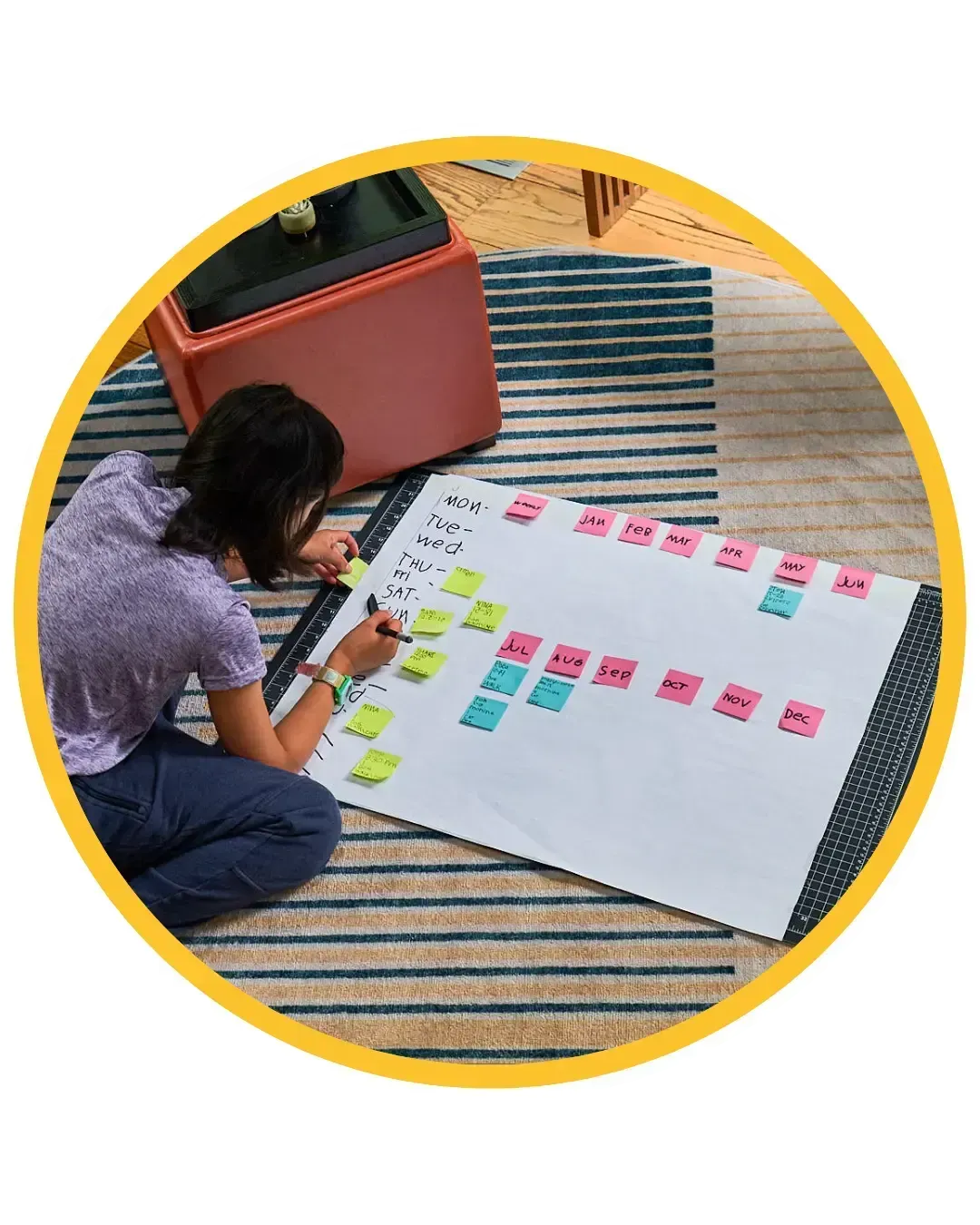
Fast forward six months. Carys now manages her own calendar, and tracks her income in a spreadsheet. After four months she had $600 in a savings account, and $759 in a retirement investment account.
But the real transformation isn't the money - it's watching a child who used to forget everything become organized because she cares about the outcome.
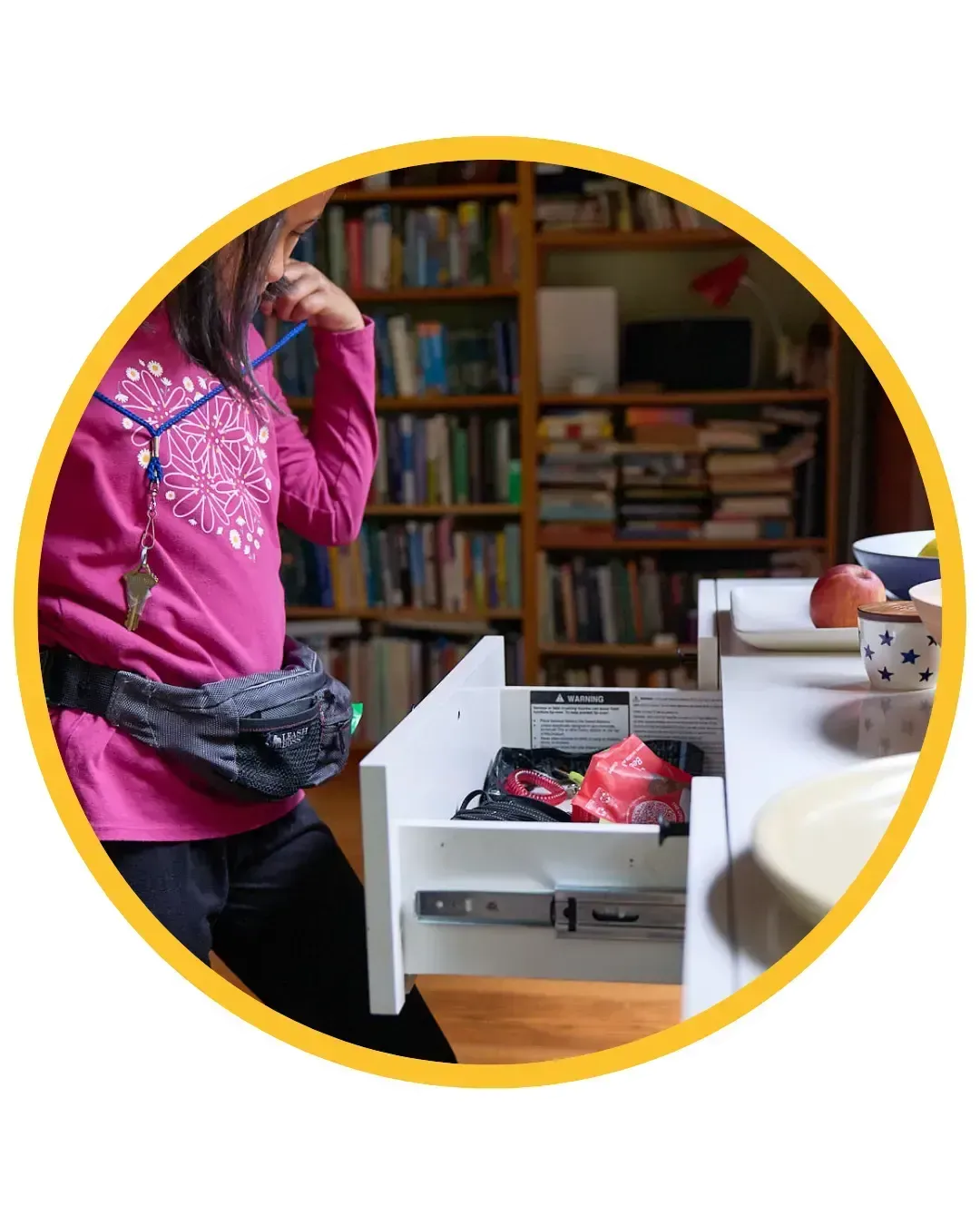
I knew something big had shifted when I got up one morning to find Carys sitting on the couch doing screen time, having already:
Got dressed
Eaten breakfast
Unloaded the dishwasher
Packed her lunch
Visited her morning cat sitting client
Six months ago, she couldn't remember to bring her jacket home with her.



Financial Literacy
for Kids:
The Long View
Carys earns $300/month caring for neighborhood pets
She invests $150 of that monthly in a simple index fund
Starting at age 10 with a 60-year investment timeline
At the historical S&P 500 return of 10% annually...
She's on track for complete financial independence by retirement
This isn't about getting rich or accumulating wealth for its own sake. (We hope that by then we will exist in systems of care that mean she can give away her entire savings!)
We're building the security of knowing they can always meet their own needs. When kids have this foundation, they're better able to support others in their community.
Why Chore Charts Fall Short
(And What Actually Works)
The Problem with Artificial Motivation: Chore charts and allowances teach kids to work for rewards that others control.
But when kids work toward goals they've chosen themselves, they become internally motivated to develop the skills we want to see. Organization. Follow-through. Money management...and much more.
The Problem with Small Stakes: Most parents try to use an allowance to teach money management skills. But managing $5 a week doesn't create the motivation that managing $300 a month does.
And while kids practice with tiny amounts, they're missing years of money market growth that could build real financial security.
What Works Instead: Interest-Driven Learning: When Carys decided to start pet sitting, she wasn't thinking about building character or learning responsibility. She just wanted to spend time with animals and earn some money.
The life skills developed because she cared about doing her work well.
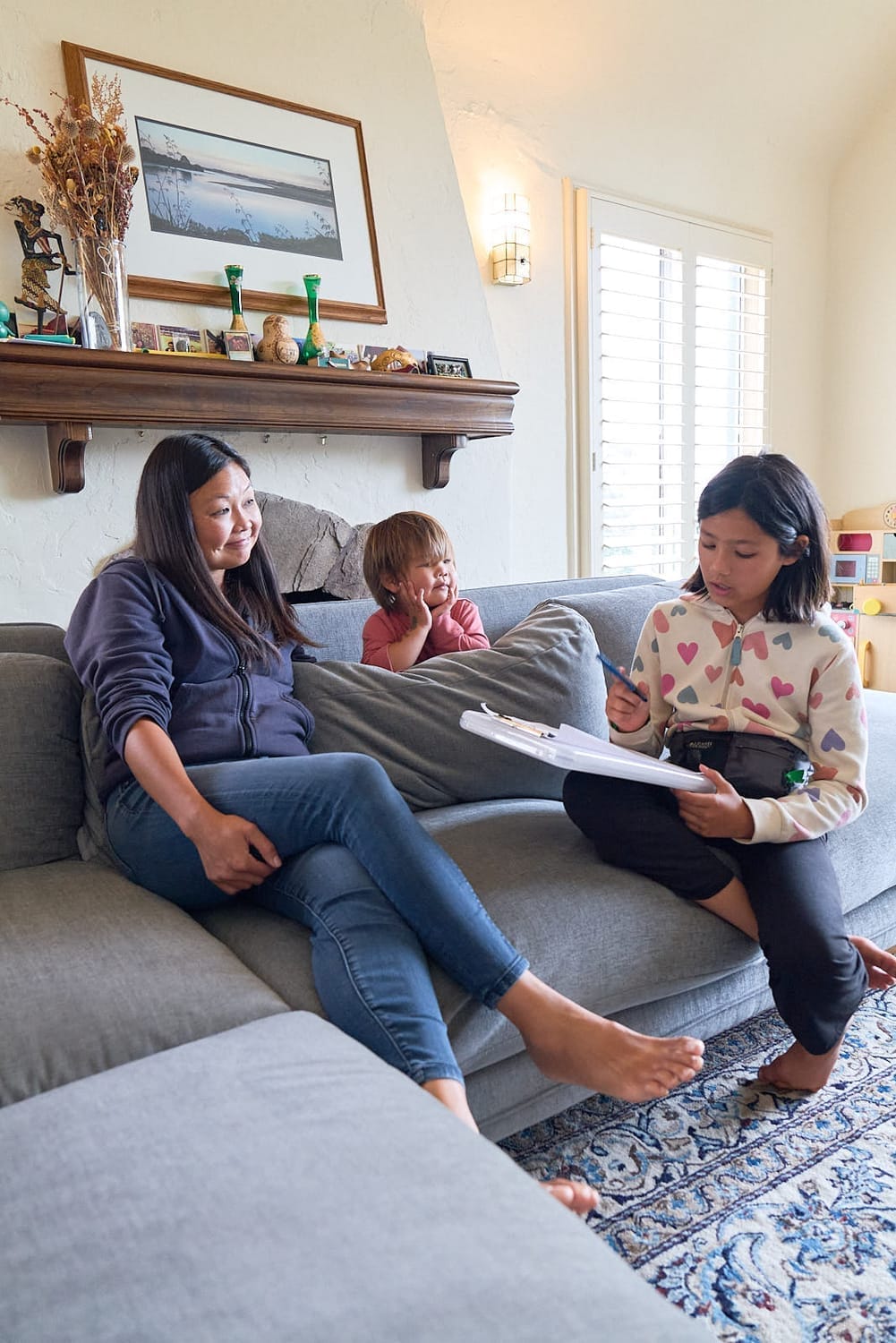
Building Executive Function Through Interest-Driven Learning
Mind Your Own Business: For Kids works because purpose fuels persistence.
When kids care about their business and clients, they build the kinds of executive function skills many parents want kids to learn:

Staying Organized When It Matters
No more forgotten tasks -kids build systems that help them remember what counts.


Following Through Consistently
Meaningful, paid work creates an internal motivation to show up and deliver.
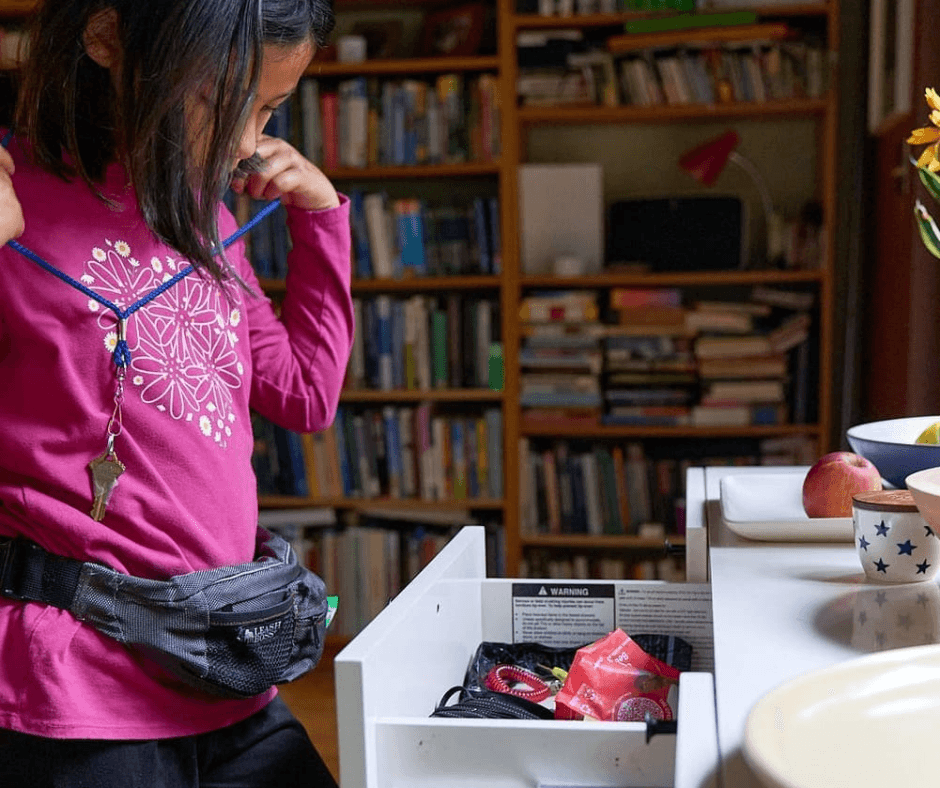

Solving Problems Under Pressure
When challenges arise, kids push through because clients are counting on them.


Communicating Professionally
Adult conversations become opportunities to practice confidence and clarity.


Managing Money Practically
Real earnings means real decisions about spending, saving, and investing.


Building Long-Term Security
Early financial habits create freedom to choose meaningful work over high-paying work.

Ages 8-12: Prime Time for Practical Life Skills
This isn't too early - it's actually the ideal time. At 8-12, kids are developmentally ready to think logically about cause and effect, but they still have maximum time for compound growth.
They're old enough to handle real responsibility but young enough to be excited rather than cynical about new opportunities.
Research shows this is when children are forming their beliefs about what's possible.
Starting a business now plants the seed that they can create their own opportunities rather than waiting for someone else to provide them.
Plus, they're curious and willing to try new things - qualities that become more complicated as they enter their teenage years. (If your child is outside this age range but wants to take the course, they're welcome - see the FAQ on this topic at the bottom.)
Independence develops organically when kids work toward goals that are meaningful to them.

Building confidence for kids with Learning Differences
(Including those with Executive Function Challenges)
This entrepreneurship education program works especially well for children who learn differently. Many kids with ADHD, Autism, and other learning differences discover they can focus intensely when they're passionate about a topic - and business projects provide confidence building activities that school often can't match.
We provide multiple ways to learn and stay organized:
Step-by-step video walkthroughs
Visual checklists and flowcharts
Templates that break big tasks into small steps
Flexible pacing that works with your child's energy and attention
Whether your child learns best through reading or watching, has multiple kinds of neurodivergence, or needs extra support with organization - this program meets them where they are.
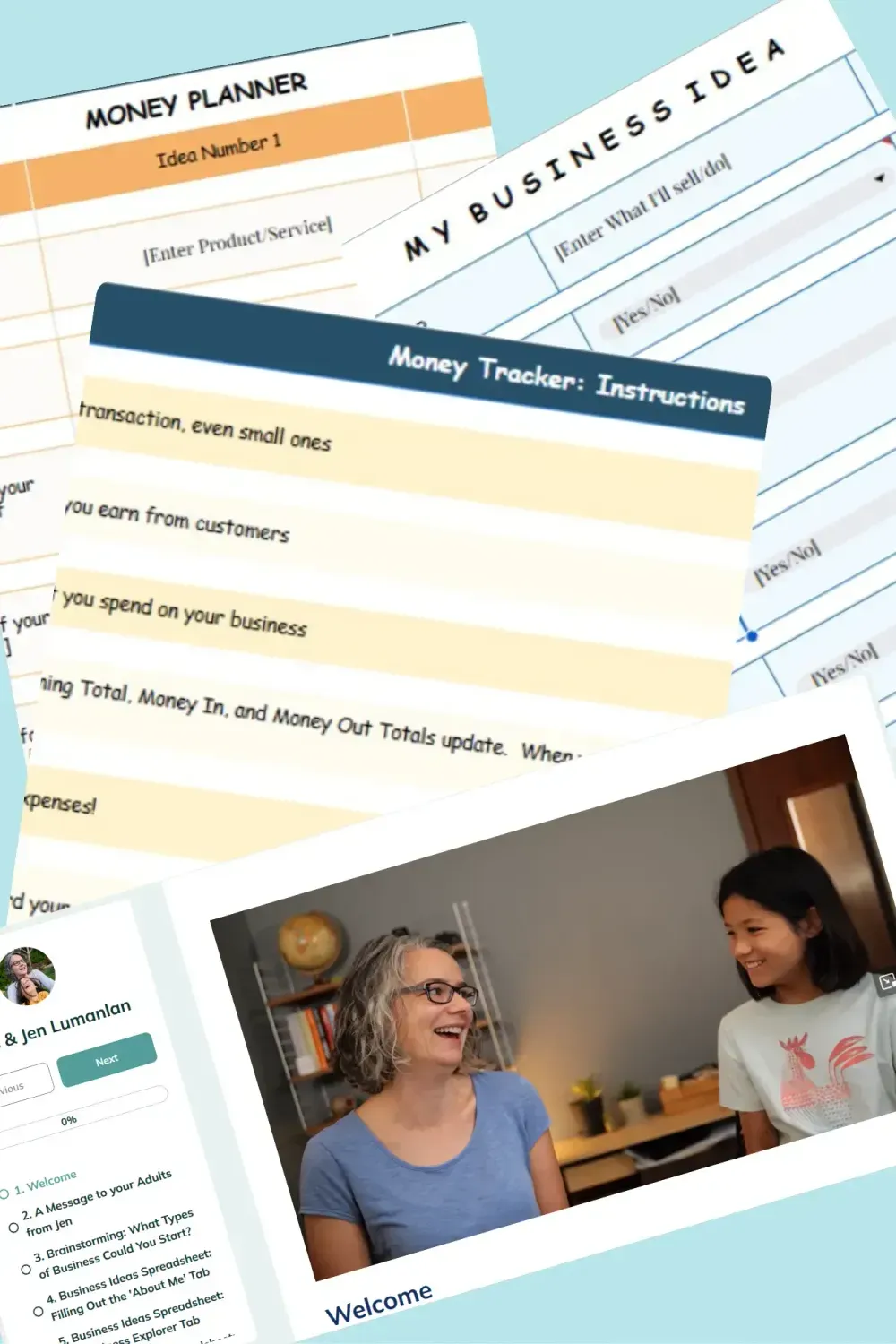
Learn to Evaluate ANY Business Opportunity
(Using Pet Sitting as
Our Practical Example)
Mind Your Own Business: For Kids teaches your child a powerful framework for assessing and launching any type of business venture. We use pet sitting as our primary example because it:
Requires minimal startup costs, making it accessible to young entrepreneurs
Provides flexible hours that work around school schedules
Builds responsibility through real client commitments
Creates ongoing income rather than one-time sales
Offers clear value that neighbors readily understand
But the skills transfer to ANY business idea your child might pursue (and we'll give lots of ideas for them to consider!
Here are just a few examples:
For Active Kids: Tennis hitting partner, yard work and seasonal cleanup, bike maintenance
For Academic Strengths: Tutoring younger children, homework helper, reading companion
For Helpful Personalities: Parent's helper (organizing, meal prep), senior tech support, ADHD body double
For Creative Minds: Art instruction, party planning, craft project teaching, handmade product sales
For Tech-Savvy Kids: Website updates for small businesses, photo organization, simple graphic design



Through our guided process, your child will learn:
How to evaluate business ideas using our kid-friendly opportunity assessment tool
Methods for testing demand before investing time or money
Simple ways to calculate startup costs and potential earnings
Techniques for identifying ideal customers in their own community
Strategies for growing their business at a pace that works for them
Whether your child ultimately chooses pet sitting, lawn care, crafting, tutoring, or another venture entirely, they'll have a reliable blueprint for turning their interests into income-generating opportunities.
How It All Started
The Beginning of an Extraordinary Journey
When Carys was 10, she was already volunteering at the local animal shelter. When a neighbor asked her to care for their cat and then gave her a tip, she had a lightbulb moment: 'Wait, I could actually do this as a business!'
Research Created Initial Success
I own my own business, and I've spent a decade learning how children learn, so I already knew how to support her. I also knew it would be very easy for me to take over the project and make it my business.
Instead, I let her lead.
We browsed pet sitting websites to see how much professional sitters charge, and then she decided to offer sliding scale pricing because she wanted everyone to afford her services. From the beginning, this was about serving her community and making sure everyone could access what they needed.
We gathered photos of her with animals and sent them - plus a testimonial from that first cat sit - with an email to the neighbors on our street, offering her services over the holidays. (In the course, we'll share the exact email we sent so your child can reuse it!)
She made $600 that first month.
Then she was excited to build on her initial success.

Building a Real Business
Carys wanted her own website, and was not at all intimidated by the technology. She used the skills she's learned from video games to approach it playfully and build something she liked. (I only helped to make the technical connections.)
We discussed how adults often don't trust children, so we showcased her testimonials and the training she's done at the shelter.
Then she created fliers and distributed them around the neighborhood. She wanted to go the extra mile and get a business license and insurance as well!
The Results
Speak for Themselves
Today, Carys has a steady stream of customers within just a few blocks of our home.
I showed her an investment return calculator, and the idea that a small investment could grow exponentially blew her mind.
We researched the different types of accounts and decided that a Roth IRA was the best option for her. She transfers part of each client payment into the account and watches it grow as the compounding works for decades.

The "Aha" Moment About Teaching
Others
"I know other kids can manage their own businesses," Carys says, "but often their parents don't know how to help! I realized I could show kids the exact steps I took—from choosing a business idea to pilot testing it to scaling it up."
Why This Matters for Your Child
Carys didn't just stumble into success. She followed a systematic process that any motivated child can learn. And because she started investing her earnings at 10, she's likely to be able to retire comfortably - all from a business that started with caring for one neighbor's cat.
The skills Carys developed - research, community service, financial literacy - help her contribute to building the kind of world where everyone can thrive, not just those who start with advantages.
Ready To Give Your Child
Essential Life Skills That Actually Stick?
Mind Your Own Business: For Kids
The Complete Course Perfect for kids aged 8-12
LIFETIME ACCESS
Complete 3-phase program (43 short, self-guided modules)
Business opportunity evaluation tools and worksheets
Step-by-step video tutorials for every major task
Professional templates (contracts, flyers, website guides)
Printable checklists and visual flowcharts
Pricing calculator and financial tracking tools
Multiple learning formats (videos, audio, interactive worksheets)
Lifetime access to all materials
Parent support guide (how to help without taking over)
Begin your pilot with paying customers in just a few days!
$49
1 Payment - Lifetime Access
Our 14-Day Promise to You

We're confident your child will love building their business skills, but we understand every child is different.
Try the course risk-free for 14 days. If it's not the right fit for your family, simply email us at hello@mindyourownbusinessforkids.com for a full refund. No questions asked.
Meet The Team Behind Mind Your Own Business: For Kids

Carys
Kid Entrepreneur and Co-Creator
Hi! I'm Carys, and I started my pet sitting business when I was 10. I love animals and have been volunteering at our local shelter with my mom since I was little. When a neighbor asked me to watch their cat, I thought: Hey, I could turn this into a real business!
The best part is getting to spend time with all kinds of pets while earning money. I've learned how to create a website, manage my schedule, and even invest some of the money.
It's way more fun than I expected, and now I have regular clients who trust me with their furry family members.
I wanted to help other kids learn how to start their own businesses because I know how awesome it feels to create something that's really yours.
Plus, there are so many different types of businesses kids can start - not just pet sitting!

Jen Lumanlan
Research-Based Parent Educator
If you don't know me already, I'm Jen Lumanlan. I hold an M.S. in Psychology focused on Child Development and an M.Ed. in Education, plus other degrees from U.C. Berkeley and Yale. I'm the host and founder of Your Parenting Mojo podcast, named "Best Research-Based Parenting Podcast" by Lifehacker, with almost 4 million downloads worldwide.
I spend most of my time analyzing scientific research on parenting and child development—but I also look beyond the surface to critique methods and examine unstated assumptions. I believe science reflects our values back to us, so I share not just the research, but the analysis and insights that help families understand what's best for them.
This course combines insights from a membership I host to support kids' intrinsic love of learning with Carys' infectious enthusiasm to help your child discover what they're truly capable of when they work toward self-chosen goals.

Why We Created This Together
I brought the research and educational framework; Carys brought the real-world experience and kid insights.
Together, we've created something neither of us could have developed alone - a program that's both developmentally appropriate and genuinely engaging for children, while giving parents the confidence to support without taking over.
Skills For Kids;
Peace of Mind For Parents
What
Your Child Will Develop
Organization systems that actually work for them (building essential life skills through real experience)
Money management abilities with real stakes - tracking earnings they've truly worked for (financial literacy for kids in action)
Professional communication skills from meaningful conversations with adults (confidence building activities that transfer everywhere)
Problem-solving capabilities when real challenges arise with actual clients
Consistent follow-through on commitments that matter to them and their community
Business decision-making experience (entrepreneurship education through hands-on practice)

What
Parents Will Experience
Relief, from watching your child develop independence without constant reminders or nagging
Quality bonding time supporting them in work they've chosen and are excited about
Evidence that your child can succeed and thrive even if they struggle with traditional approaches like school
Peace of mind knowing they're building skills for life, regardless of their future career path
A front-row seat to watching your child discover what they're truly capable of
Confidence in their financial future knowing they're building security that lasts decades
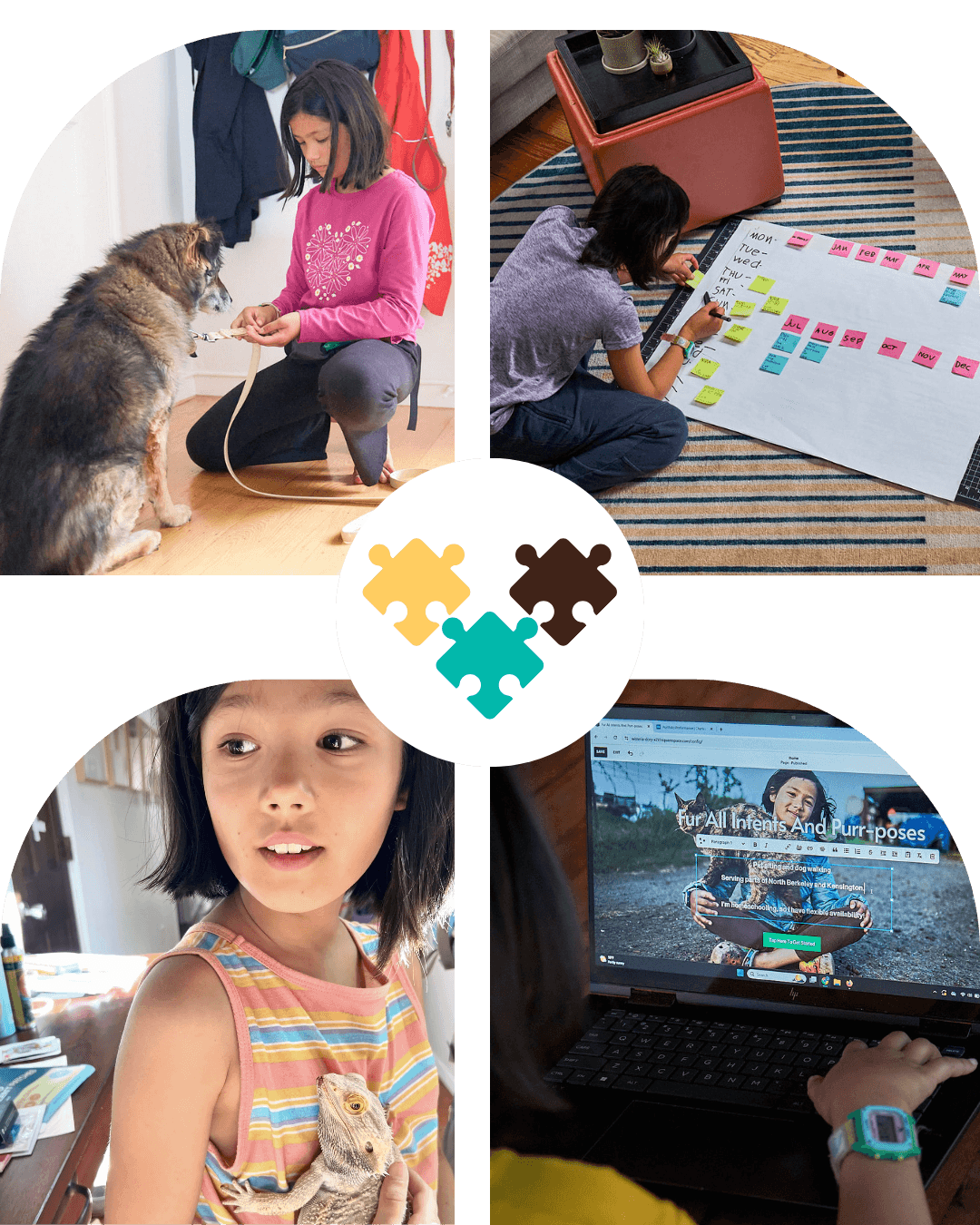

The Unexpected Joy of Working Together (And Finding Screen Time Balance!)
You've probably heard about The Anxious Generation and how screen time is affecting kids. Maybe you're tired of nagging and want to offer something engaging. This program does that—it's not about ditching screens, but transforming how they're used.
When kids have compelling real-world projects, they spend less time scrolling and more time building. The screen time they do have becomes more purposeful: researching markets, creating websites, tracking finances, and communicating with clients.
Unlike chores or homework struggles, this sparks connection. You’ll celebrate wins together and problem-solve side by side.
Instead of enforcing limits, your child shifts to meaningful screen time. They'll still use technology, but for creation rather than consumption.
And instead of managing their habits, you’ll support their goals - which feels empowering for both of you.
Everything Your Child Needs
To Start Small And Build A Thriving Business
Self-paced content that your child can complete by themselves
Phase 1: Pilot Your Business
Identifying Opportunities
How to identify needs in your community you can help solve
Skills to analyze what makes a viable business idea
Methods for gathering information before making decisions
How to evaluate risks and rewards of different opportunities
Testing Your Idea
Finding your first 1-3 paying clients in a safe and supportive way
Setting pilot pricing and terms to test what works best
Learning basic safety protocols with parent involvement included
Reviewing results and improving your early business approach
Delivering Great Service
Professional pet sitting and dog walking skills with parents guardians
Communication skills for working effectively with your first clients
Problem-solving when unexpected challenges appear
Reliability and trust-building skills for excellent service delivery
Plus a module on supporting them effectively (without taking over the project!)
Phase 2: Scaling Growth And Managing Success
Making It Official
Choosing a business name that fits with how the business will be marketed
Understanding basic legal requirements
Setting up simple record keeping systems
Creating professional policies (payment, cancellation, scheduling)
Marketing That Works
Creating a simple website that builds confidence
Designing fliers for local marketing
Using QR codes and modern tools to connect with clients
Finding the right places to advertise your services
Managing Growth
Quality control, customer service, & handling complaints
Adjusting pricing as demand grows
Expanding your service area strategically
Creating customer agreements and setting boundaries
Phase 3: Scaling And Managing Success
Marketing That Works
Building referral partnerships with other young entrepreneurs
Creating package deals and loyalty programs
Upselling additional services
Managing seasonal demand and new service offerings
Money Management and Future Planning
Tracking income and expenses like a pro
Understanding business costs as you grow
Smart spending, saving, and giving strategies
Introduction to investing for young entrepreneurs
Complete Resource Library
Templates and Tools:
Business opportunity evaluation worksheets
Pilot testing checklists and tracking sheets
Professional service agreements and contracts
Website templates and setup guides
Flyer design templates and printing guides
Pricing calculator so your child doesn't spend more than they earn
Record keeping systems and financial tracking tools
Customer communication templates
Multiple Learning Formats:
Step-by-step video tutorials for every major task
Printable checklists and visual flowcharts
Interactive worksheets that break big concepts into small steps
Audio guides for kids who learn better by listening
Real examples from successful kid entrepreneurs
Finally: Life Skills Training
Your Child Will Actually Want to Do
Mind Your Own Business: For Kids
The Complete Course Perfect for kids aged 8-12
LIFETIME ACCESS
Complete 3-phase program (43 short, self-guided modules)
Business opportunity evaluation tools and worksheets
Step-by-step video tutorials for every major task
Professional templates (contracts, flyers, website guides)
Printable checklists and visual flowcharts
Pricing calculator and financial tracking tools
Multiple learning formats (videos, audio, interactive worksheets)
Lifetime access to all materials
Parent support guide (how to help without taking over)
Begin your pilot with paying customers in just a few days!
$49
1 Payment - Lifetime Access
Questions Parents Ask Before Jumping In to Mind Your Own Business: For Kids
This is exactly why interest-driven learning is so powerful. Kids who can't remember basic tasks can develop organizational systems that work when their business success depends on it.
Kids with ADHD, Autism, and other learning differences discover they can focus intensely when working toward a self-chosen goal.
Safety is our top priority. The program includes specific safety protocols, guidelines for selecting appropriate clients, and regular reminders to check in with a trusted adult. Most kids start with neighbors, family friends, and relatives as their first clients.
Plus, the life skills they develop—organization, communication, responsibility—actually make them safer and more capable in all areas of life.
Actually, the opposite is true. Kids who feel successful in their business may see improvements in school too. We emphasize balanced scheduling, and most young entrepreneurs start with just 1-2 clients.
The organizational skills they develop for their business transfer directly to managing schoolwork.
Earnings vary by location and effort, but many kids earn $100-300 monthly with just a few regular clients. We teach them to invest a portion in simple index funds.
Here's the powerful part: if your child invests just $100/month starting at age 10, and earns the stock market's historical 10% annual return, they could build complete financial independence by retirement.
The business teaches skills; the investing habit creates long-term security.
Starting small with 1-2 clients lets you evaluate what's working without big commitments. Some kids discover entrepreneurship isn't for them—and that's valuable learning too! Others take a break and restart later.
The program includes guidance on helping your child assess their experience and only continue if the business is right for them. Or they might decide to pilot a new idea and build that instead.
We designed this specifically for busy families who don't want another overwhelming project. You'll provide occasional support, but the modules can be completed by your child mostly independently.
Most parents find this much easier than managing traditional chore charts or homework battles because the child is motivated by their own goals and seeing real results.
Carys didn't just stumble into success. She followed a systematic process that any motivated child can learn. And because she started investing her earnings at 10, she's likely to be able to retire comfortably - all from a business that started with caring for one neighbor's cat.
The skills Carys developed—research, community service, financial literacy—help her contribute to building the kind of world where everyone can thrive, not just those who start with advantages.
Most programs focus on one-time projects like lemonade stands or craft sales. We teach kids how to build real, ongoing businesses that fit their own interests and a market need, with repeat customers, professional systems, and growth potential.
Plus, we emphasize the investing component—because building financial security over decades is ultimately more important than any single business venture.
You'll help with initial client meetings and provide transportation, but your role is more supporter than teacher. The child learns the business skills through the program, and most kids become increasingly independent quickly.
Parents often find this creates more family harmony because there's less nagging about responsibilities.
The program teaches kids how to evaluate any business opportunity, not just pet sitting. If pet care isn't in demand in your area, your child will learn to identify other opportunities that needed.
The research and evaluation skills transfer to any type of service business they might want to start, and we'll offer lots of ideas.
I was about to suggest that "You are the best judge of your child's capabilities," but Carys corrected me and insists: Your child is the best judge of their own capabilites.
A highly motivated younger child can definitely be successful, perhaps with a bit more adult support.
An older child might find Carys' sense of humor to be a little young, but they'll still get a lot out of the course.
When kids are working toward goals they've chosen themselves, persistence develops by itself. We've seen children who can't stick with anything else become remarkably consistent with their businesses because the outcomes matter to them.
The program also teaches them to evaluate when something isn't working and make thoughtful decisions about pivoting or taking breaks—both valuable life skills.
Most kids continue growing their businesses independently, applying what they've learned to expand services or try new ventures. The frameworks they learn transfer to any entrepreneurial opportunity they might pursue.
Some take breaks and return to business later; others discover entrepreneurship isn't for them—both are valuable outcomes. The investing habits and life skills they develop continue benefiting them regardless of their business choices.
We strongly believe in equity, and in breaking down capitalist systems wherever we can, and aim to run our business with this in mind.
If your child would benefit from Mind Your Own Business: For Kids but the price would represent a real hardship for your family, just email us at hello@mindyourownbusinessforkids with a brief description of your circumstances, and a price that works for you, and we’ll do what we can to help.
You could also loan your child the money, and have them pay you back from their earnings!
Get insider access to new courses and promotions
Get insider access to new courses and promotions
Thank You & Welcome!
We are excited to share insider updates, new course launches, and exclusive promotions with you before anyone else.
👉 Keep an eye on your inbox for your first update.